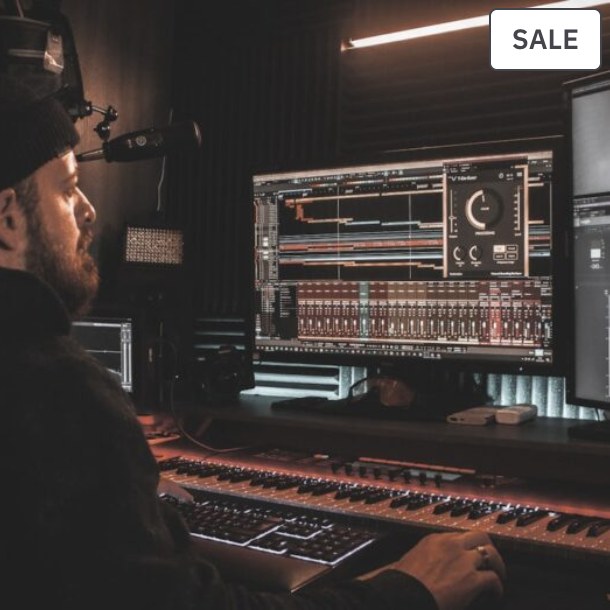
Mixing is the process of making all elements work together as one record. Start with balance and arrangement context, then use processing only to solve audible problems or create deliberate character.
Organize and Build a Static Balance
Name tracks, group related elements and set levels before detailed processing. A strong static mix gives every later plugin a clear purpose.
Stabilize the Low End
Decide how kick and bass share the bottom octave. Check phase, envelope and note length before making extreme EQ moves.
Use EQ and Compression in Context
EQ changes tonal balance; compression changes dynamic behavior. Use either tool based on the problem you hear, not because every track “needs” both.
Create Front-to-Back Depth
Level, brightness, transient shape, pre-delay and reverb all influence perceived distance. Build depth as a system instead of inserting random ambience.
Automate and Translate
Ride vocals, effects and section balance. Then check the mix quietly, in mono and across multiple playback systems before approving it.
Related reading
- Gain Staging for Music Production and Mixing
- EQ vs Compression: Which Comes First in a Mix?
- How to Use Reference Tracks for Mixing and Mastering
Common questions
What should I mix first?
Start with the elements that define the song—often drums/bass and lead vocal or lead instrument—then build supporting parts around them.
Do I need to mix in a specific order?
No fixed order works for every track, but balance before detail is a reliable principle.
How long should a mix take?
Long enough to solve the real problems without losing perspective. Frequent breaks and versioning are more useful than chasing a target number of hours.
Turn the knowledge into a repeatable workflow
TMPS courses connect practical production decisions with structured training, so you can apply the process to your own music instead of collecting isolated tips.
Explore TMPS online music production courses or contact us for guidance on music production and DJ education.