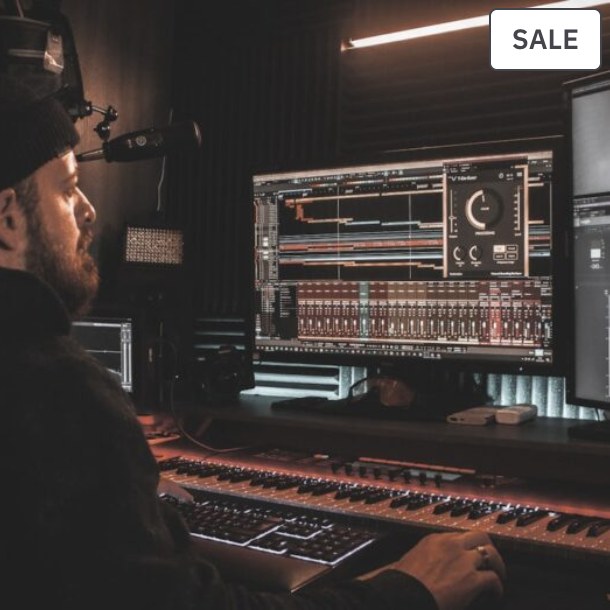
Modern digital gain staging is mainly about control. Keep signals at sensible levels, prevent unwanted clipping and feed processors with enough headroom that you can compare decisions fairly.
Digital Audio Does Not Need to Be Recorded Hot
24-bit recording provides plenty of usable dynamic range. Leave headroom instead of trying to make every input peak near zero.
Watch Levels Between Plugins
Some processors respond differently to input level. If one plugin adds 10 dB and the next reacts more aggressively, the sound may change for reasons unrelated to your intended settings.
Level-Match Bypass Comparisons
A louder processed signal usually seems better. Match output level so you can judge tone and dynamics instead of loudness.
Manage Groups and Mix Bus Headroom
Keep groups and the stereo bus from accumulating unnecessary level. Use faders and gain tools rather than relying on a limiter to catch a poorly balanced session.
Gain Staging Is a Workflow, Not a Magic Number
There is no single target every track must hit. Use consistent, unclipped levels that keep your tools predictable and your session easy to control.
Related reading
- How to Mix Music: A Practical Guide for Producers
- EQ vs Compression: Which Comes First in a Mix?
- How to Master Music: LUFS, True Peak and Translation Explained
Common questions
Should every track peak at -18 dBFS?
No. -18 dBFS is often discussed in relation to analog calibration, but music signals vary. Use sensible average levels and headroom.
Can floating-point DAWs clip internally?
Many modern DAWs have substantial internal headroom, but plugins and outputs can still clip or react badly. Good gain management remains useful.
Do I gain stage before mixing?
A quick level-preparation pass can make mixing easier, especially in sessions with inconsistent recordings or samples.
Turn the knowledge into a repeatable workflow
TMPS courses connect practical production decisions with structured training, so you can apply the process to your own music instead of collecting isolated tips.
Explore TMPS online music production courses or contact us for guidance on music production and DJ education.