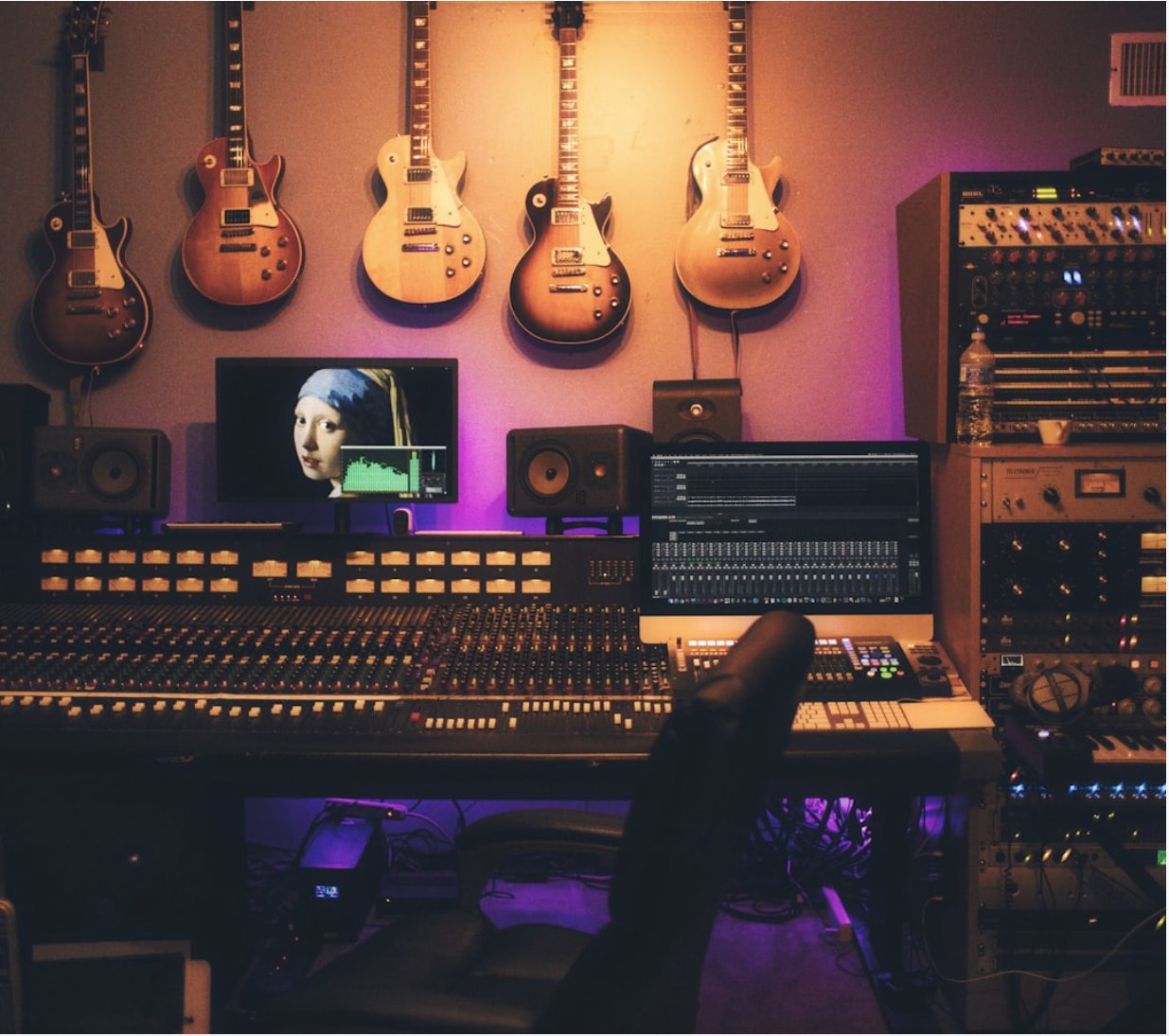
Professional sound is usually the result of many good decisions working together. The biggest improvements often come from stronger arrangement, better sound choice and cleaner balances—not from a secret mastering chain.
Professional Starts Before Mixing
If several sounds compete for the same role, no amount of EQ can make the arrangement feel effortless. Choose parts that complement each other in register, rhythm and tone. Remove elements that do not improve the song.
Use Better Source Sounds
A kick that already has the right weight needs less processing. A vocal recorded with good level and mic position needs less repair. Spend more time selecting or capturing the right source and less time trying to transform the wrong one.
Build a Stable Low End
Kick and bass should have clear roles. Decide which element owns the deepest range, manage overlap and check the relationship at low monitoring levels. Low-end clarity creates a large part of the impression of a finished record.
Create Depth Instead of Adding Reverb Everywhere
Depth comes from level, tone, transient shape, stereo placement and ambience working together. Use shorter and darker spaces for elements that need to stay present, and longer effects when you intentionally want distance or atmosphere.
Reference at Matched Loudness
A louder track almost always feels more impressive. Level-match your reference and compare specific features: vocal level, low-end weight, brightness, stereo width and dynamic movement. Use the reference as a measuring tool, not a target to copy blindly.
Related reading
- How to Mix Music: A Practical Guide for Producers
- How to Master Music: LUFS, True Peak and Translation Explained
- How to Use Reference Tracks for Mixing and Mastering
Common questions
Can mastering make an amateur mix sound professional?
Mastering can improve balance and translation, but it cannot fully repair weak arrangement, poor source sounds or a badly controlled mix.
Why does my mix sound smaller than commercial tracks?
Common reasons include weak low-end relationships, excessive reverb, over-compression, poor arrangement density or simply comparing against a louder master.
What should I improve first?
Start with the earliest problem in the chain: song and arrangement, then source sounds, then balance, then processing, then mastering.
Turn the knowledge into a repeatable workflow
TMPS courses connect practical production decisions with structured training, so you can apply the process to your own music instead of collecting isolated tips.
Explore TMPS online music production courses or contact us for guidance on music production and DJ education.