
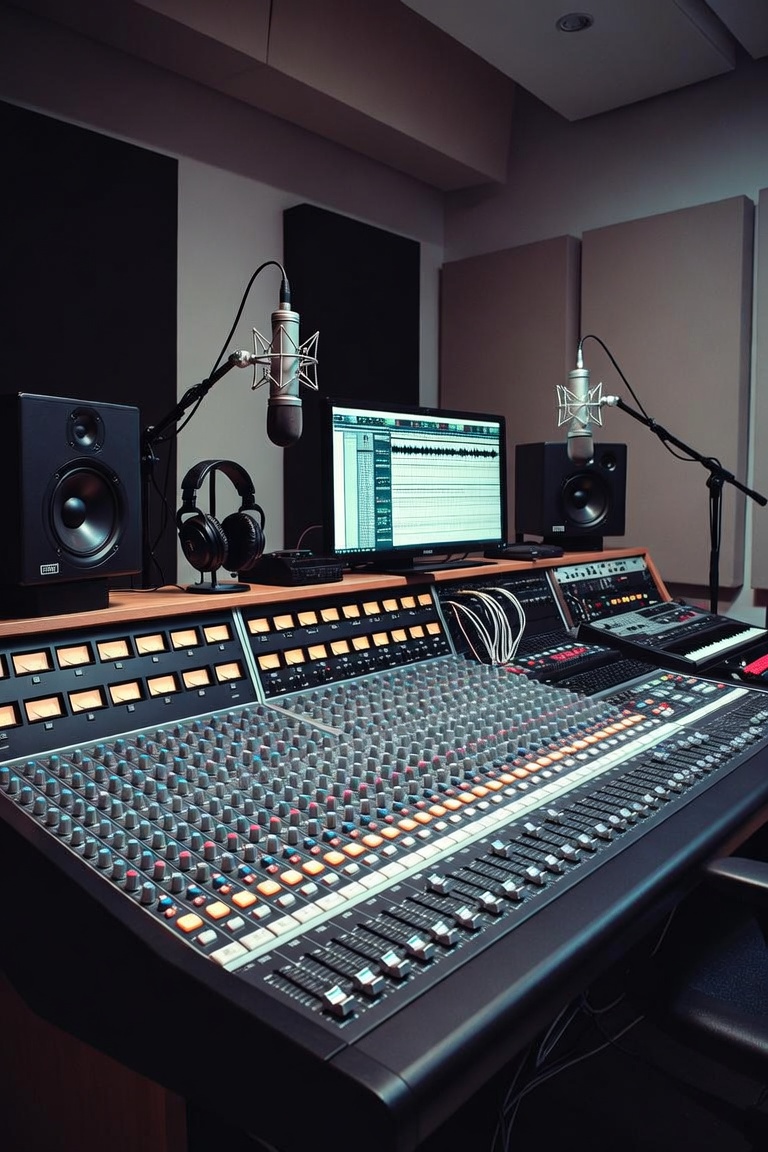
Finishing a song is a great achievement, but a track is not truly ready for release until it has been properly mixed and mastered. Many producers create strong musical ideas, good melodies and interesting beats, but the final result still sounds amateur because the mix is unclear, the low end is muddy, the vocals are not present or the master does not translate well on different speakers.
That is why a structured mixing and mastering course [LINK: https://themusicproducerschool.com/courses/] can make such a big difference. Mixing and mastering are not just technical steps. They are part of the creative process that transforms a production into a professional-sounding track.
At The Music Producer School [LINK: https://themusicproducerschool.com/], the goal is to help producers understand how to listen, how to make better decisions and how to prepare music with a more professional workflow. The right mix can give your song clarity, emotion, impact and balance. The right master can help your music sound more consistent and ready for streaming platforms.
What Is Mixing in Music Production?
Mixing is the process of balancing all the elements of a song. This includes drums, bass, vocals, synths, guitars, piano, effects, percussion and any other sound inside the production.
The goal of mixing is to make every element work together. A good mix does not simply make everything loud. It creates space. It controls energy. It makes the most important parts of the song stand out while keeping the full arrangement balanced.
In a mix, the producer or mixing engineer works with volume, EQ, compression, reverb, delay, automation, stereo image, saturation and other tools. Each decision affects how the listener experiences the song.
For example, the kick and bass need to work together in the low end. Vocals need to be clear and present. Drums need punch. Melodies need space. Effects need depth. If all these elements fight for attention, the mix becomes crowded and confusing.
A good mixing and mastering course should teach you how to listen before adding plugins. The first question should always be: what does the song need?
What Is Mastering?
Mastering is the final stage before releasing a song. After the mix is finished, mastering prepares the track for distribution on streaming platforms, headphones, cars, clubs, laptops, phones and different speaker systems.
Many beginners think mastering is only about making the track louder. Loudness is part of the process, but mastering is much more than that. A good master improves the final balance, controls peaks, enhances consistency and helps the track translate better outside the studio.
Mastering can include EQ, compression, limiting, saturation, stereo control and final level adjustment. But the most important part is judgment. The mastering process should respect the mix and improve it without destroying its emotion.
If the mix is weak, mastering cannot magically fix everything. This is one of the biggest misunderstandings in music production. Mastering is the final polish, not a rescue mission. That is why learning mixing and mastering together is so important.
Why Mixing and Mastering Matter Before Releasing Music
A listener may not know the technical details of mixing and mastering, but they can feel when something sounds wrong. If the vocal is buried, the bass is too loud, the drums are weak or the track sounds harsh, the listener may lose interest quickly.
Professional music needs to translate. This means the song should sound good not only in your studio, but also on headphones, phone speakers, car speakers, Bluetooth speakers and club systems.
Many producers make the mistake of mixing only for their own setup. A track may sound good in one room but fall apart everywhere else. The low end may disappear on small speakers. The vocals may sound too loud in the car. The master may feel too quiet compared to other songs.
A mixing and mastering course helps you understand these problems. You learn how to check your mix, how to compare references, how to control frequencies and how to prepare a better final version.
This is essential for anyone who wants to release music seriously.
The Most Common Mixing Mistakes
One of the most common mistakes in mixing is adding too many plugins before fixing the basic balance. Many beginners open a session and immediately start using EQ, compression and effects on every channel. But if the volume balance is wrong, the mix will still sound weak.
Volume is the foundation of mixing. Before anything else, the elements need to sit in the right place. The kick should support the groove. The bass should work with the kick. The vocal or main melody should be clear. The drums should have energy. The effects should support the music, not cover it.
Another common mistake is overusing EQ. EQ is powerful, but removing or boosting too much can make sounds thin, harsh or unnatural. A good mix uses EQ with purpose. The goal is to create space, not destroy the tone of every sound.
Compression is another area where beginners often struggle. Too much compression can make a track feel flat and lifeless. Too little compression can make elements feel uncontrolled. A good course should teach not only how compression works, but when compression is actually needed.
Reverb and delay can also create problems. These effects add space and depth, but too much can make a mix muddy or distant. The goal is to create emotion without losing clarity.
Understanding EQ in Mixing
EQ is one of the most important tools in mixing. It allows you to shape the frequency balance of each sound. With EQ, you can remove mud, reduce harshness, add brightness, create space and help elements sit better together.
But EQ should not be used randomly. Every sound has a role in the mix. The kick may need weight. The bass may need definition. The vocal may need presence. The hi-hats may need brightness. The piano may need space around the vocal.
A good mixing workflow starts with listening. If a sound already works, it may not need heavy EQ. If two sounds are fighting in the same frequency range, EQ can help create separation.
For example, if the bass and kick are clashing, you may need to decide which element owns the deepest low end. If the vocal sounds muddy, you may need to clean low-mid frequencies. If the mix sounds harsh, you may need to control aggressive high frequencies.
Learning EQ is not about memorizing numbers. It is about understanding how frequency affects emotion, clarity and balance.
Understanding Compression
Compression controls dynamics. In simple terms, it reduces the difference between louder and quieter parts of a sound. This can make vocals more consistent, drums more punchy, bass more stable and instruments more controlled.
But compression is also one of the most misunderstood tools in music production. Many beginners use it because they think every track needs compression. In reality, compression should solve a problem or create a specific character.
A vocal may need compression because some words are too loud and others are too quiet. A bass may need compression to stay steady in the mix. Drums may need compression to add punch or glue. A mix bus may use gentle compression to create cohesion.
The key is understanding attack, release, ratio and threshold. These controls shape how the compressor reacts. Used correctly, compression can make a mix sound more professional. Used poorly, it can remove life from the music.
A strong mixing and mastering course should teach compression with real examples, not only theory.
Reverb, Delay and Space
Space is a major part of professional mixing. Without space, a mix can feel dry and flat. With too much space, it can become distant and unclear.
Reverb creates the feeling of a room, hall, plate or atmosphere. Delay creates echoes and rhythmic movement. Both effects can add emotion, depth and width to a production.
Vocals often use reverb and delay to feel more polished. Synths can use space to feel wider. Drums can use short ambience to feel more alive. Sound effects can help transitions feel bigger.
The important thing is control. Reverb and delay should support the arrangement. They should not cover the main elements. Automation is often useful here. You can use more delay at the end of a phrase, more reverb in a breakdown or less space in a busy chorus.
Mixing is not only about clarity. It is also about emotion. Space helps create that emotion.
Low End: Kick and Bass
The low end is one of the hardest parts of mixing. It is also one of the most important. If the kick and bass do not work together, the entire track can feel weak, muddy or unprofessional.
In EDM, trap, hip hop, pop and electronic music, the relationship between kick and bass is essential. The kick gives impact. The bass gives weight and movement. When both fight for the same space, the mix loses power.
A good mixing and mastering course should teach how to balance low frequencies, use EQ correctly, apply sidechain when needed and check the mix on different systems.
Low end is difficult because many home studios do not reproduce bass accurately. This is why reference tracks, headphones, monitors and acoustic awareness are important. You need to understand what you are hearing and what your room may be hiding.
A clean low end can make a track feel much more professional immediately.
Vocal Mixing
Vocals are often the center of a song. If the vocal does not sound right, the entire production can feel unfinished.
A good vocal mix starts with a good recording. The microphone, room, performance, gain level and distance from the mic all affect the final sound. But after recording, the vocal still needs editing and processing.
Vocal mixing can include cleaning noise, tuning, timing correction, EQ, compression, de-essing, saturation, reverb, delay and automation. Each step should make the vocal clearer and more emotional.
The goal is not to make every vocal sound the same. A pop vocal may need to be bright and polished. A trap vocal may need character and effects. An EDM vocal may need space and energy. A cinematic vocal may need atmosphere.
At The Music Producer School, vocal production and mixing are treated as part of the complete music production process. If you want to explore more production training, visit the music production courses page [LINK: https://themusicproducerschool.com/courses/].
Mixing Different Genres
Different genres require different mixing decisions. A trap beat needs powerful drums and 808s. EDM needs energy, width and controlled low end. Pop needs clean vocals and strong arrangement. Rock needs natural instruments and impact. Cinematic music needs depth, emotion and dynamics.
This is why mixing is not just technical. It is musical.
A good mix supports the genre. The kick in a club track may need to feel huge. The vocal in a pop song may need to stay in front. The bass in a trap beat may need to dominate the low end. The strings in a soundtrack may need to feel wide and emotional.
The tools may be the same, but the decisions change.
This is one reason why producers should study mixing with real examples. It is not enough to know what EQ and compression are. You need to understand how to apply them in context.
The Mastering Chain
A mastering chain is the set of processors used on the final stereo mix. It may include EQ, compression, saturation, stereo tools, clipping and limiting. But there is no magic chain that works for every song.
The best mastering decisions depend on the mix. If the mix is already balanced, mastering may be subtle. If the mix has problems, the mastering engineer must be careful not to make those problems worse.
A common mastering mistake is pushing the limiter too hard. This can make the track louder, but it can also create distortion, reduce dynamics and make the song tiring to listen to.
A good master should feel controlled, balanced and competitive without destroying the music.
Learning mastering helps producers understand the final stage of release. Even if you later hire a professional mastering engineer, knowing the process helps you prepare better mixes.
Reference Tracks and Critical Listening
Reference tracks are essential in mixing and mastering. A reference track is a professionally released song that you use to compare balance, tone, loudness, width and energy.
The goal is not to copy another song. The goal is to understand the standard of the genre. If your track sounds too muddy compared to a reference, you know what to adjust. If your vocal is too quiet, the reference can reveal that. If your master is too harsh, comparison can help you hear the problem.
Critical listening is a skill that takes time. The more you train your ears, the better your decisions become.
A mixing and mastering course should help students develop listening habits. Plugins are tools, but your ears are the most important part of the process.
Mixing and Mastering in a Home Studio
You do not need a million-dollar studio to learn mixing and mastering. Many producers create strong results in home studios. But you do need a reliable workflow.
A home studio should have a good monitoring setup, organized sessions and a clean listening environment. Studio monitors, headphones and basic acoustic treatment can help, but the most important thing is learning your room.
If you know how your setup sounds, you can make better decisions. Checking your mix on multiple systems also helps. Listen on headphones, small speakers, car speakers and phone speakers. Each system reveals different problems.
For producers building their setup, sample packs and producer tools [LINK: https://themusicproducerschool.com/shop/] can help speed up the creative process, but the final quality still depends on arrangement, mixing and mastering decisions.
Is a Mixing and Mastering Course Worth It?
Yes, if you want your music to sound more professional. A mixing and mastering course can help you avoid years of guessing. It teaches you what to listen for, how to solve problems and how to finish tracks with more confidence.
Free tutorials can be helpful, but they often focus on isolated tricks. A structured course gives you a complete path. It helps you understand how volume, EQ, compression, space, automation and mastering all work together.
The biggest benefit is not just technical knowledge. It is confidence. When you understand the process, you stop adding plugins randomly and start making decisions with purpose.
Learn Mixing and Mastering With a Professional Workflow
At The Music Producer School [LINK: https://themusicproducerschool.com/], students learn music production with a practical mindset. The goal is to create music that sounds better, feels more complete and can be prepared for real release.
Mixing and mastering are essential skills for producers, beatmakers, songwriters, DJs, vocal producers and home studio owners. Whether you use Ableton Live, Logic Pro, FL Studio, Pro Tools, Studio One or Fender Studio Pro, the principles remain the same.
If you want to improve your sound, create cleaner mixes and prepare your tracks with more confidence, a mixing and mastering course [LINK: https://themusicproducerschool.com/courses/] can be one of the smartest steps in your journey.
For more guides about production, DAWs, recording, mixing and music career development, visit the music production blog [LINK: https://themusicproducerschool.com/blog/].
And if you are not sure which course is best for your current level, you can contact The Music Producer School [LINK: https://themusicproducerschool.com/contact/] and discover the best path for your goals.