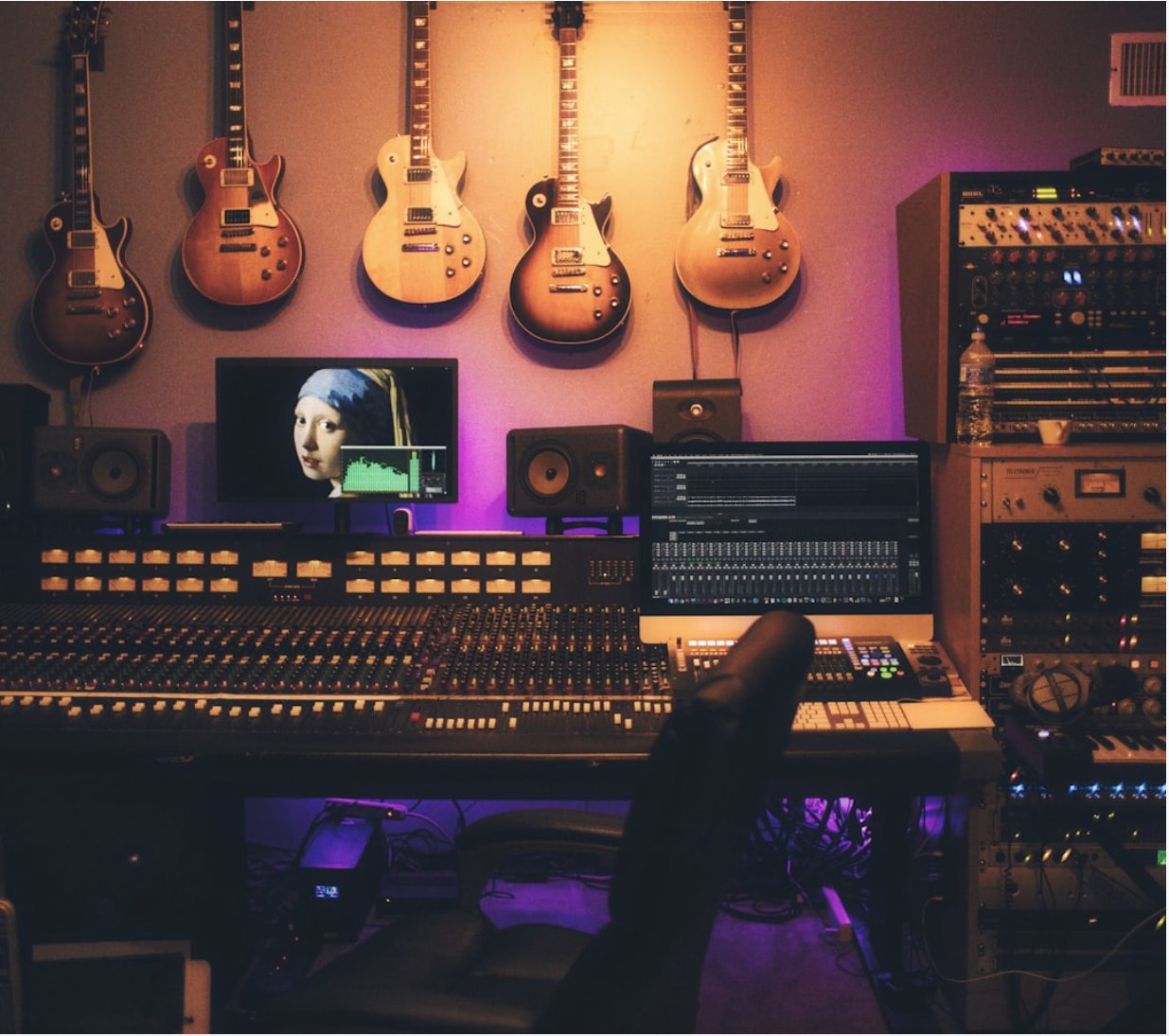
Music production is the process of turning a musical idea into a finished recording. The fastest way to learn is to separate the process into stages: idea, sound selection, arrangement, editing, mixing, mastering and export.
Start With a Musical Idea, Not a Plugin
A strong production usually begins with a small musical decision: a chord progression, groove, bass line, vocal phrase or sound that creates a clear direction. Beginners often open a DAW and start browsing tools without deciding what the track is trying to communicate. Give the session a purpose before you add complexity.
- Choose a tempo and rough style.
- Create one strong eight-bar idea.
- Limit the first sound palette so you can make decisions faster.
Build a Rough Arrangement Early
A loop can feel impressive while still hiding the hardest production decisions. Move into a rough song structure early so you can see where energy needs to rise, where elements should disappear and where contrast is missing. The first arrangement does not need to be polished; it only needs to make the song visible from beginning to end.
- Use a reference track for section length.
- Duplicate your core loop across the timeline.
- Remove elements to create verse, break, build and drop contrast.
Separate Production From Mixing
Production is about the musical and sonic choices that create the record. Mixing is about balance, space, dynamics and translation. If you try to perfect every EQ move while the arrangement is still changing, you slow down both jobs. Make the music work first, then organize and mix it.
- Commit to sound choices before deep mixing.
- Use basic level and pan decisions while producing.
- Save detailed processing for a dedicated mix pass.
Mix for Clarity Before Loudness
A mix should make the important elements easy to hear at a comfortable level. Start with volume balance, then use EQ, compression, panning, reverb and automation only when they solve a specific problem. Loudness comes later; a limiter cannot repair a crowded arrangement or an unstable low end.
- Set the vocal or lead focus first.
- Check kick and bass together.
- Compare at matched loudness against a reference.
Master and Export With a Clear Goal
Mastering is the final quality-control stage. The goal is not simply to make the file louder; it is to make the finished mix translate consistently and meet the technical requirements of release. Leave enough headroom in the mix, use reference tracks and check the final file outside your studio.
- Export a high-resolution master.
- Check true peak and loudness without chasing one universal number.
- Listen on headphones, speakers, phone and car before release.
Related reading
- Music Production Workflow: From First Idea to Finished Track
- How to Finish Songs: Stop Getting Stuck in Loops
- How to Make Your Music Sound Professional
Common questions
Do I need expensive gear to start producing?
No. A reliable computer, a DAW, decent headphones and a small set of tools are enough to learn the full production process. Upgrade when you can identify a real limitation.
Should I learn mixing before production?
Learn basic balance and EQ while producing, but prioritize songwriting, arrangement and sound choice first. Detailed mixing makes more sense once the track is structurally finished.
How long does it take to become good at music production?
There is no fixed timeline. Progress is faster when you finish complete tracks, compare them critically and repeat the same production process instead of constantly restarting.
Turn the knowledge into a repeatable workflow
TMPS courses connect practical production decisions with structured training, so you can apply the process to your own music instead of collecting isolated tips.
Explore TMPS online music production courses or contact us for guidance on music production and DJ education.