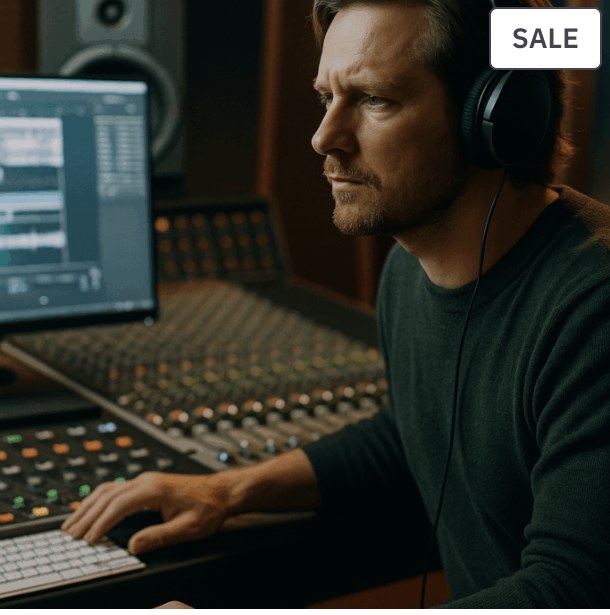
Logic Pro becomes much easier when you learn one complete workflow instead of every feature. Build a session, create or record the musical idea, arrange it, organize the mixer and finish a version.
Understand Tracks, Regions and the Inspector
Tracks hold the instruments or audio channels; regions contain the musical material. The Inspector gives quick access to parameters and channel-strip behavior. Learn these three areas before opening more advanced windows.
Build With MIDI and Audio Together
Logic is strong at combining virtual instruments, recorded audio and detailed editing. Use MIDI when you need flexible note control and audio when performance, texture or committed sound matters.
Use Track Stacks for Organization
Summing Stacks can group related tracks and create useful bus structure. Keep drums, vocals, synths or guitars organized so both arrangement and mixing remain readable.
Create Shared Reverb and Delay Buses
Aux sends let multiple tracks share one space and make the mix easier to control. Start with a small number of purposeful returns instead of inserting a different reverb on every track.
Finish With Automation and a Controlled Mix Bus
Use automation for musical changes, not just correction. Check the mix at low level, compare references and keep enough headroom for the final mastering stage.
Related reading
- How to Produce EDM in Logic Pro 11
- Logic Pro Track Stacks, Buses and VCAs Explained
- Logic Pro Alchemy Sound Design: Build Patches That Fit the Song
Common questions
Is Logic Pro 11 good for beginners?
Yes. It includes strong instruments, recording tools and mixing features, and the workflow becomes efficient once you learn organization and routing.
Can I make EDM in Logic Pro?
Yes. Logic supports complete electronic production, sound design, arrangement, mixing and mastering workflows.
Do I need third-party plugins?
No. Logic’s stock instruments and effects are capable of professional work.
Turn the knowledge into a repeatable workflow
TMPS courses connect practical production decisions with structured training, so you can apply the process to your own music instead of collecting isolated tips.
Explore TMPS online music production courses or contact us for guidance on music production and DJ education.